Roha Fort
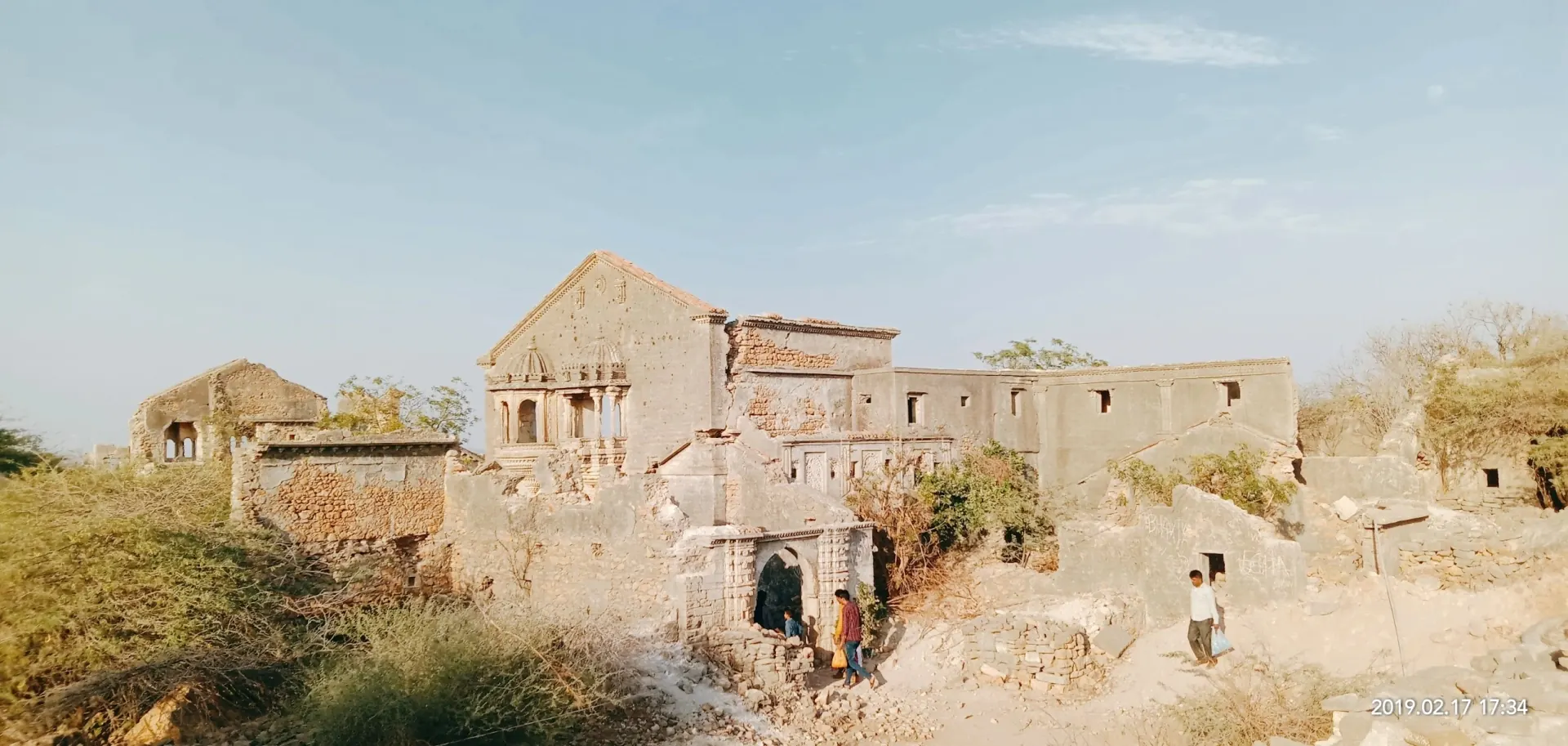
A 16th-century hilltop fort of 52 villages, ruined in the 2001 earthquake, standing as atmospheric stone ruins
- Ideal forhikers, history lovers, photographers & solitude seekers
- Best timeOctober to March (cool breezes & golden sunset light)
- Famous for16th-century hilltop ruins, Kalika Mata temple & stepwells
- Historical impactruined during the catastrophic 2001 Kutch earthquake
- Poetic connectionhome retreat of famous Gujarati poet Kalapi
- Connectivity50 km west of Bhuj near Nakhatrana off SH-89
Overview
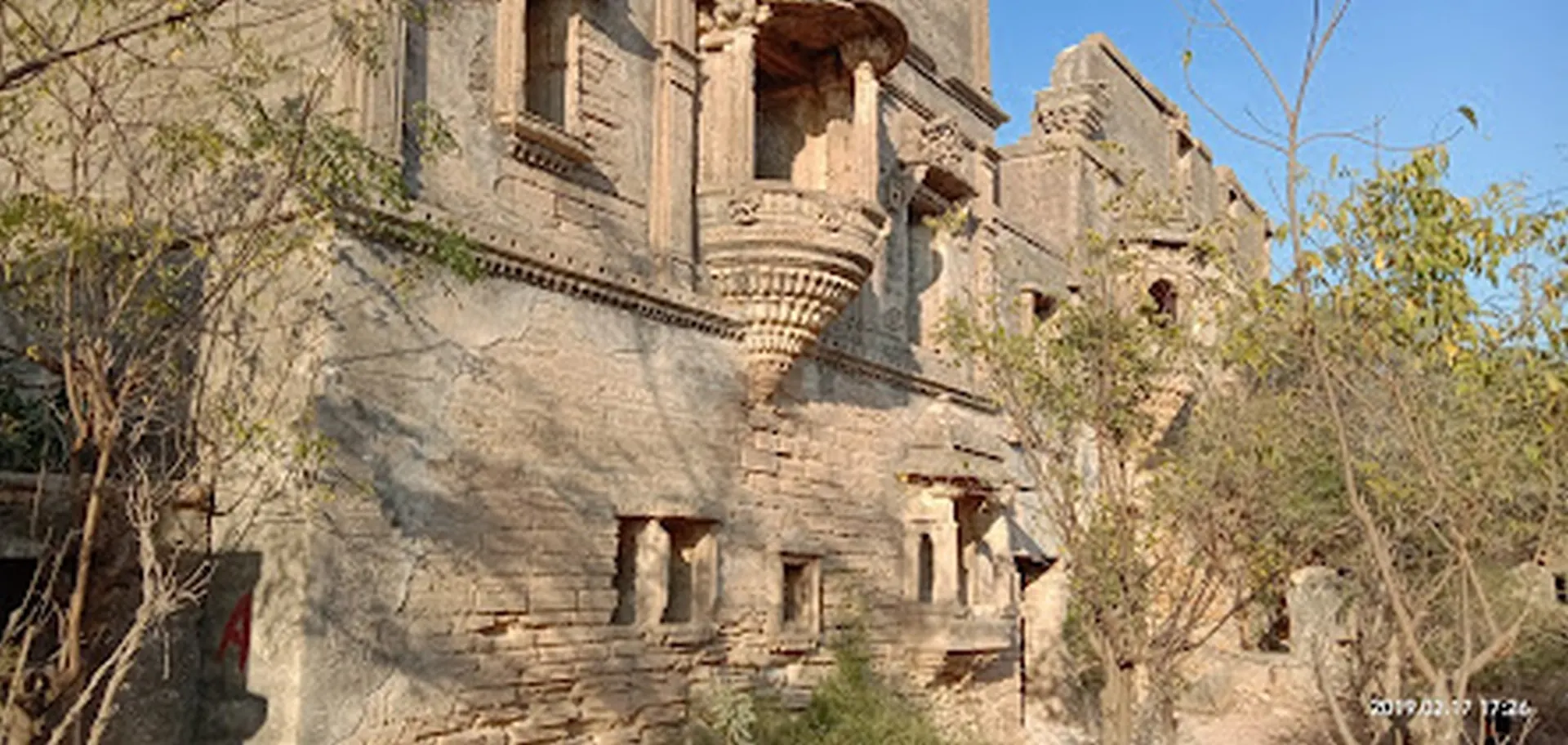
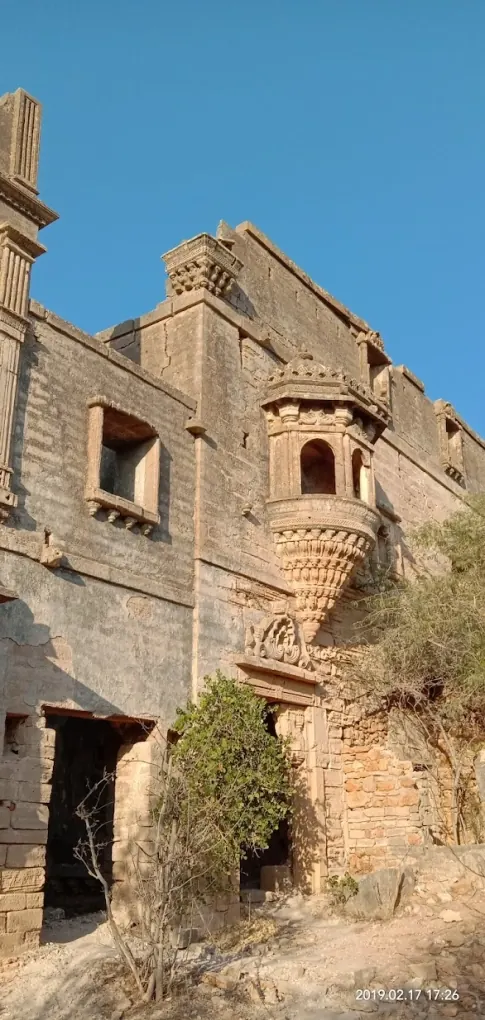
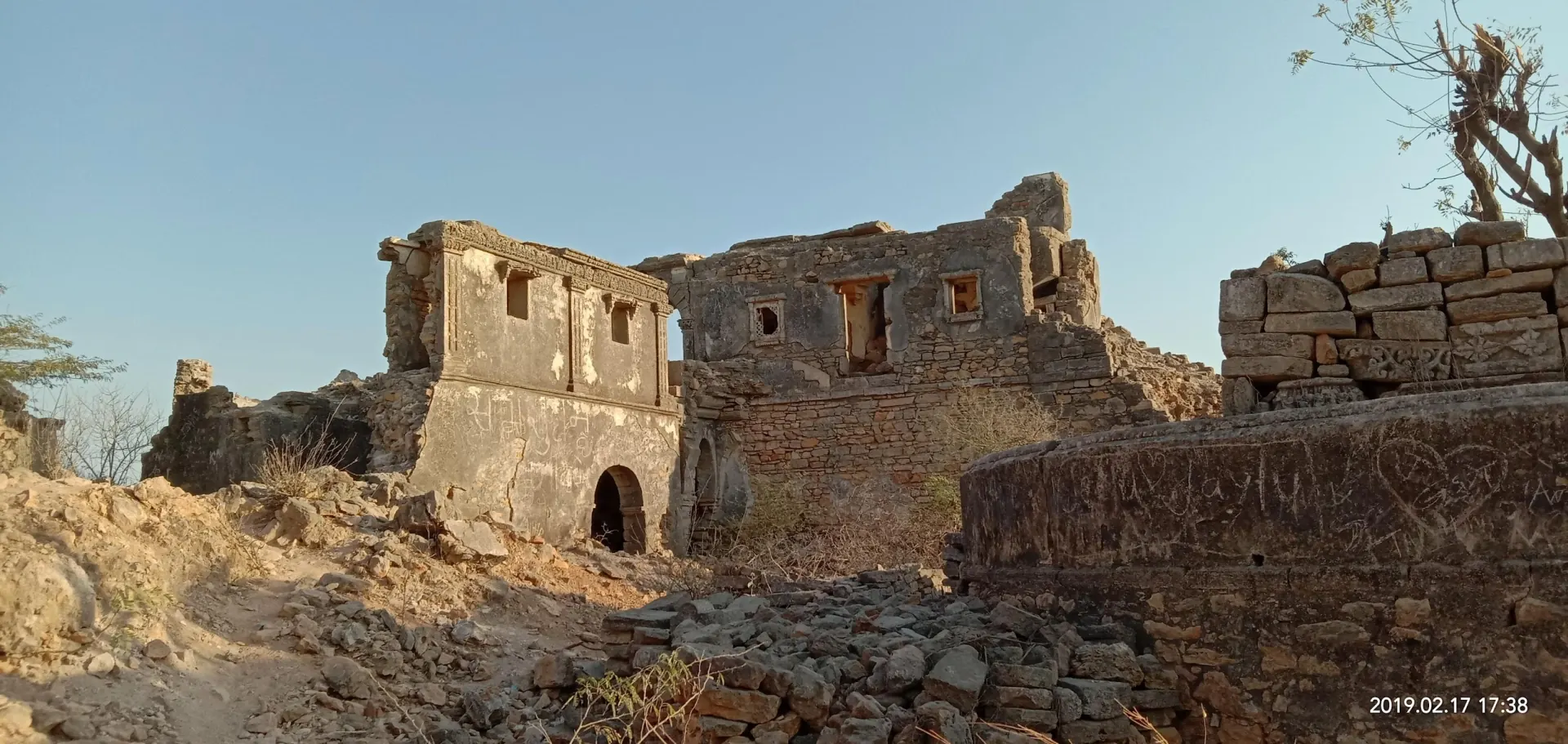
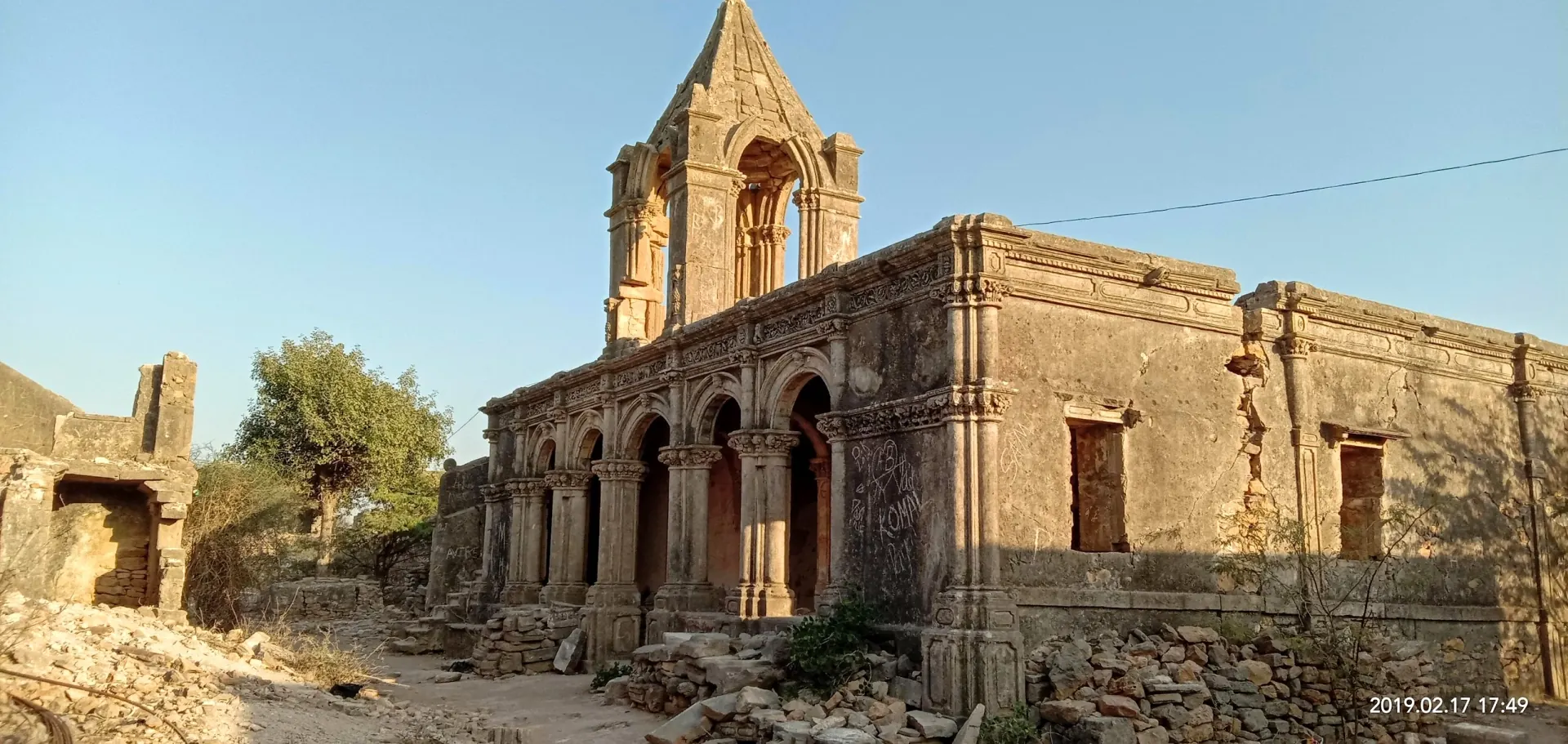
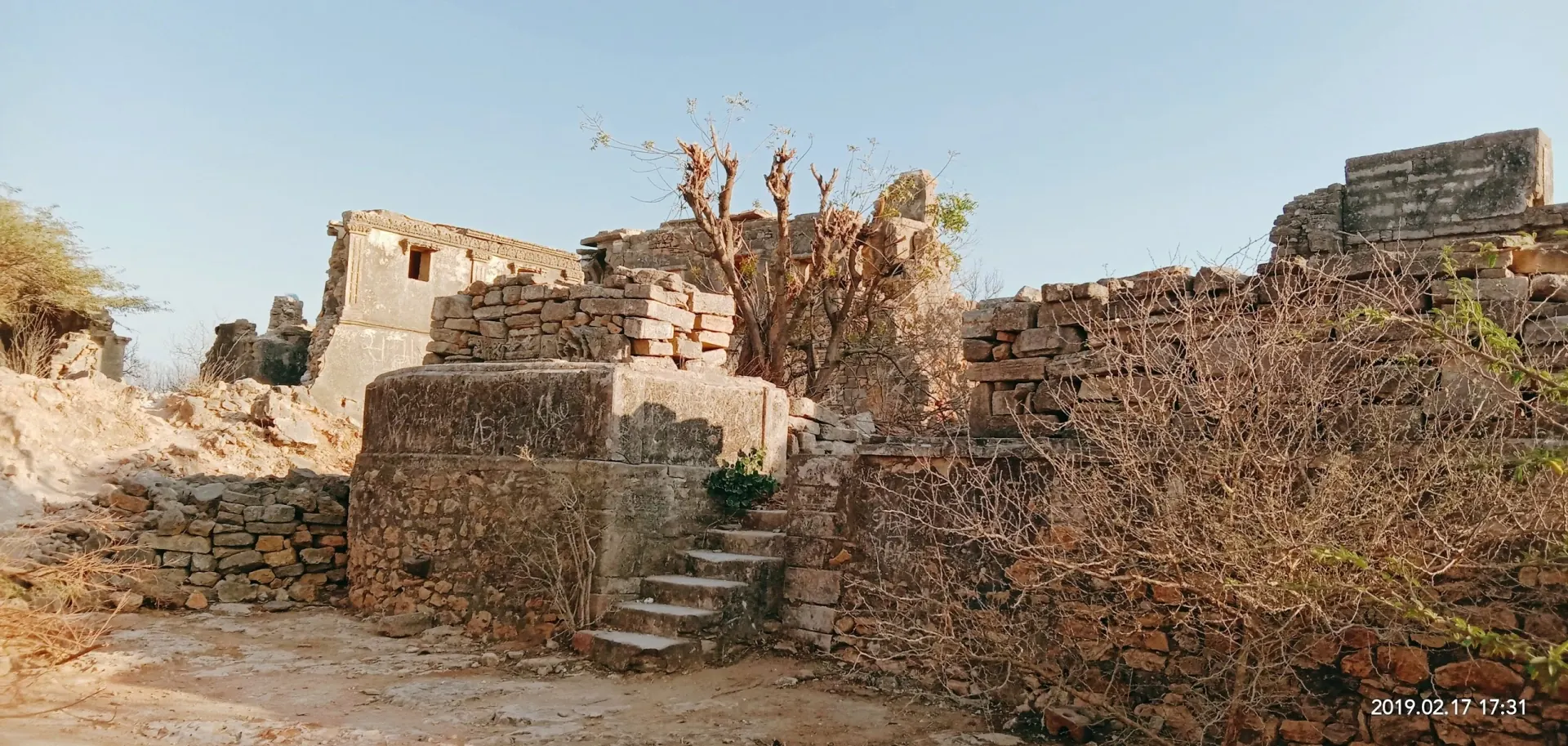
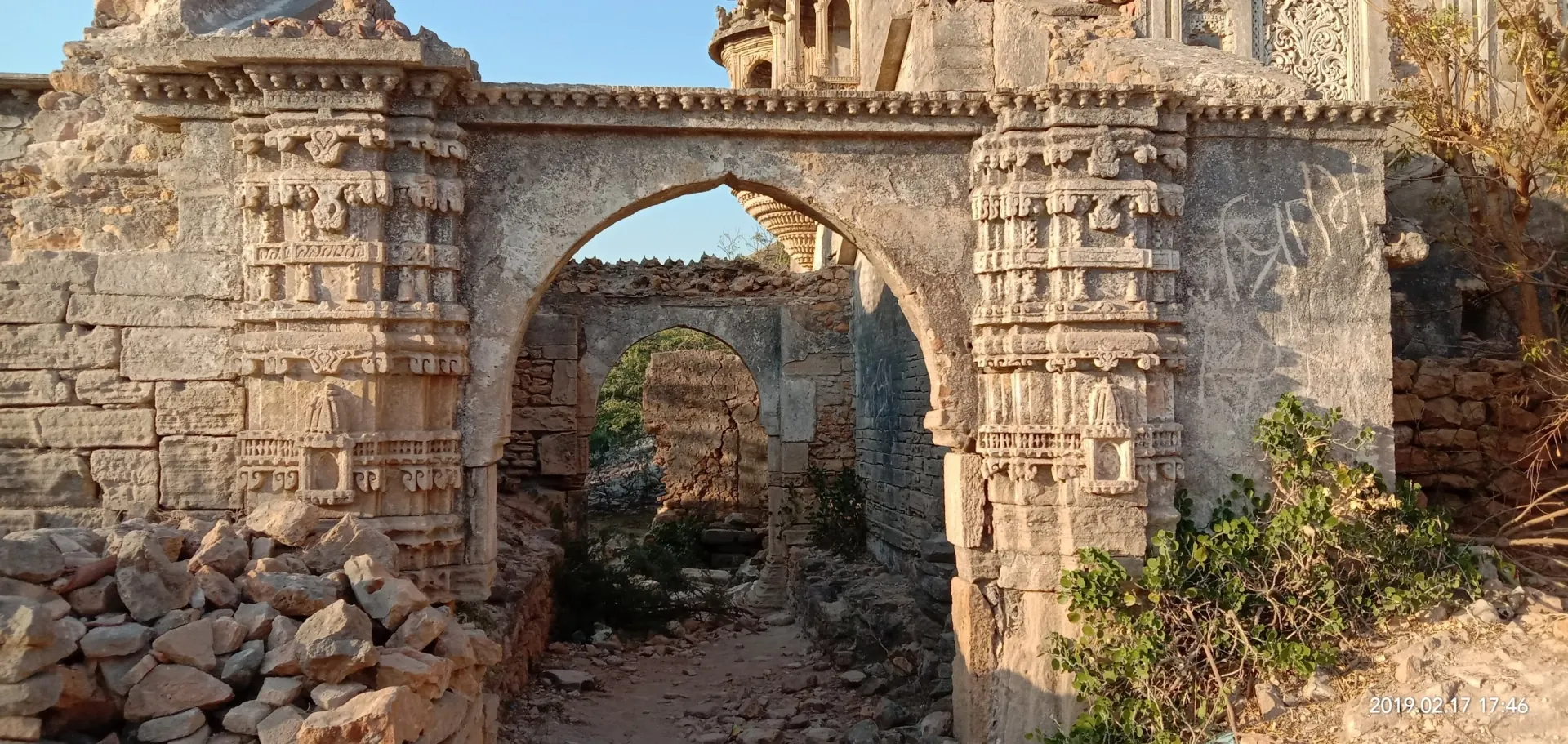
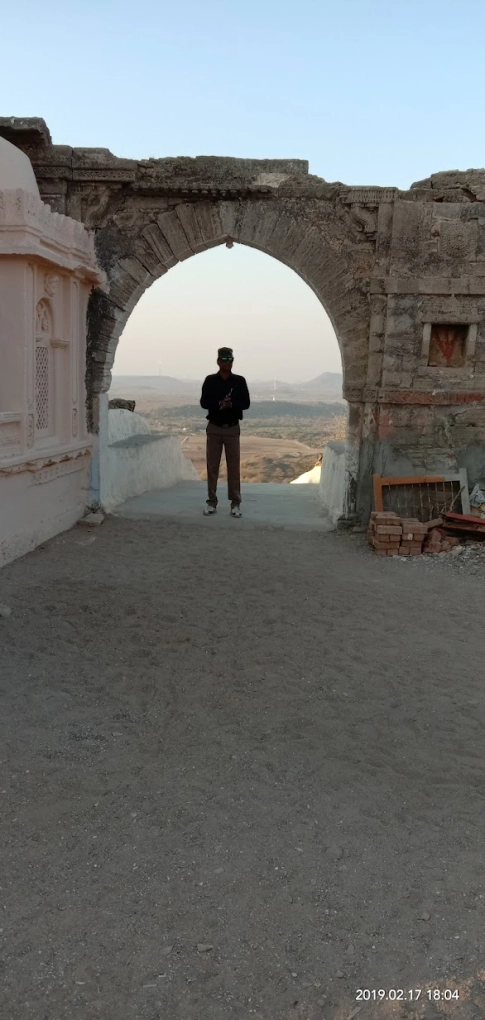
Perched atop a 500-foot rocky hill near Nakhatrana, Roha Fort (also known as Roha Sumari Fort) was constructed in the 16th century by Thakor Noganji of the Jadeja dynasty. Serving as the seat of the Roha Jagir comprising 52 villages, the 16-acre fort complex once boasted royal palaces, heavy stone bastions, deep stepwells (Sunderbhai and Chharbhai Vav), and sacred temples. Tragically, the 2001 Kutch earthquake destroyed much of its structural grandeur, leaving behind hauntingly beautiful stone arches, carved pillars, and overgrown ramparts that offer panoramic views over the surrounding countryside.
Who should visit
- Hikers & Explorer Travelers: Climb the stone hill trail to discover hidden archways and silent courtyards.
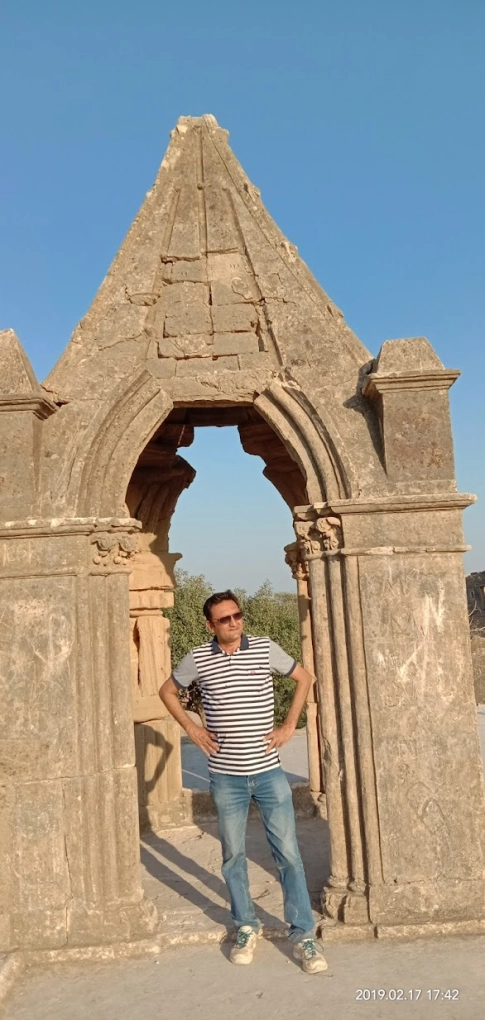
- Heritage Photographers: Frame dramatic ruined stone doorways, ancient stepwells, and sweeping valley vistas.
- Literature & History Buffs: Explore the serene retreat that inspired legendary poet Kalapi and learn about Kutch's royal Jagirs.
 Advertisement — Goibibo is an affiliate partner; we may earn a commission on bookings made through this link.
How to reach
- From Bhuj: 50 km west (approx. 1 hour drive via Bhuj–Nakhatrana Highway SH-89).
- From Nakhatrana: 12 km south-west of Nakhatrana town.
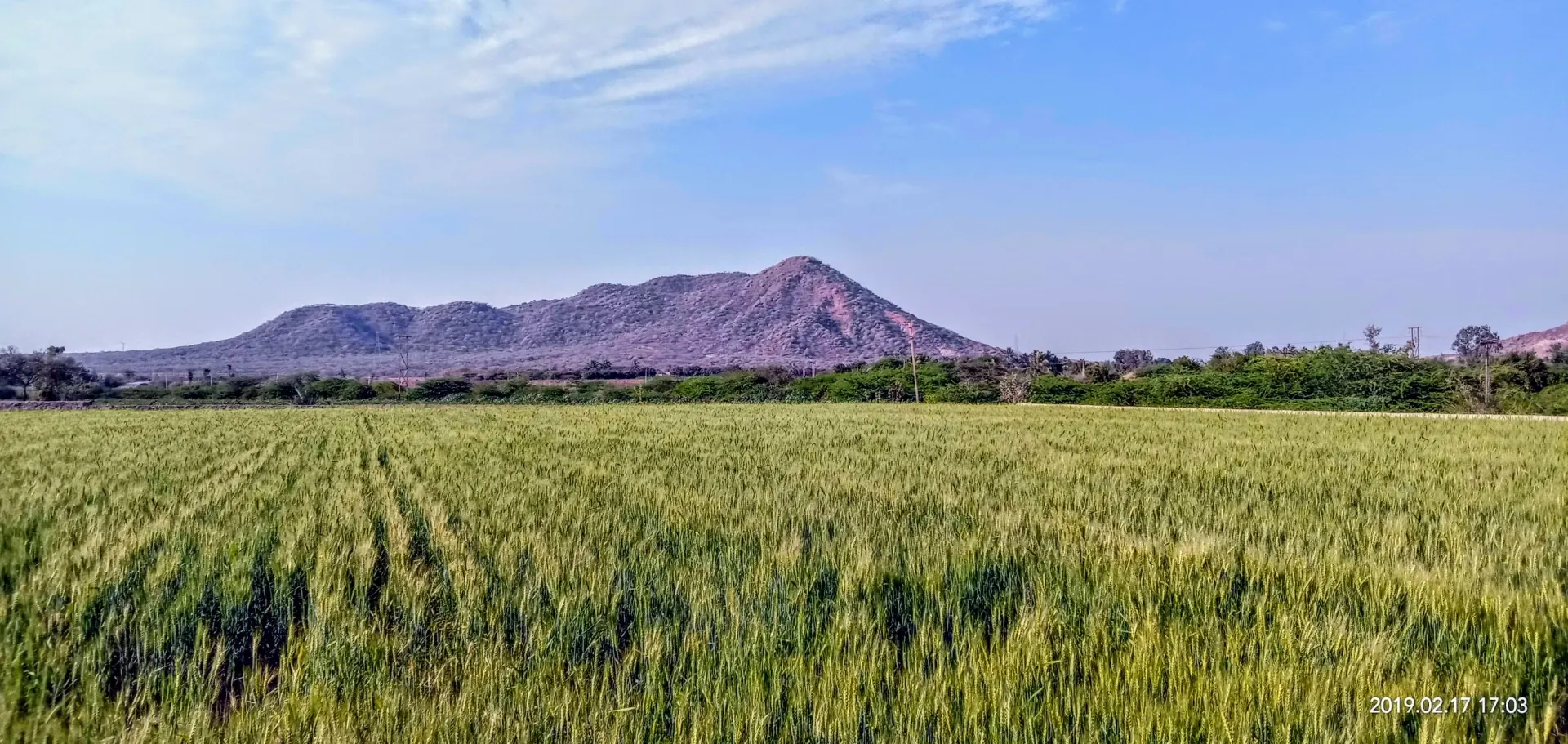
- Hill Access: Rural road leads to the base of Roha Hill, followed by a short 15-minute stone staircase walk to the fort entrance.
Signature Landmarks & Experiences
- Kalika Mata & Shiva Temples: View surviving stone carvings and shrines atop the fort plateau.
- Sunderbhai & Chharbhai Stepwells: Inspect deep medieval stone water reservoirs built into the rock.
- 360-Degree Hilltop Panorama: Enjoy sweeping views of Nakhatrana farmland, green hills, and distant countryside.
- Kalapi's Room Ruins: Visit the quiet quarters where Gujarati poet Kalapi composed his nature poems.
Local tips & common mistakes
- Wear Sturdy Shoes: Uneven stone steps and rubble require good grip footgear.
- Carry Water & Refreshments: No shops exist atop the hill fort; carry your own water.
- Sunset Visit Recommended: Arrive by 4:30 PM to catch golden-hour lighting over the ruined arches and valley.
Food & local culture
- Nakhatrana Kathiyawadi Thali: Enjoy hot Bajra rotla, Sev Tameta, and fresh buttermilk at Nakhatrana highway dhabas.
- Local Village Tales: Hear stories of Roha's royal past from villagers at the foot of Roha Hill.
Pick your season
Mild daytime sun, cool hilltop breeze, perfect for walking.
Surrounding hills turn vibrant green with fresh rainwater pools.
Make the most of your visit
- Day Trip: Bhuj, Nirona & Roha Fort
- 9:00 AM: Depart Bhuj westbound
- 10:30 AM: Visit Nirona Craft Village (Rogan Art & Copper Bells)
- 1:00 PM: Lunch at Nakhatrana
- 2:30 PM: Drive to Roha Fort and walk up Roha Hill
- 5:30 PM: Watch sunset over the ruins from the top bastion
- 7:00 PM: Return drive to Bhuj
Nearby places worth the detour
World-famous craft village known for Rogan painting, copper bells, and lacquer wood.
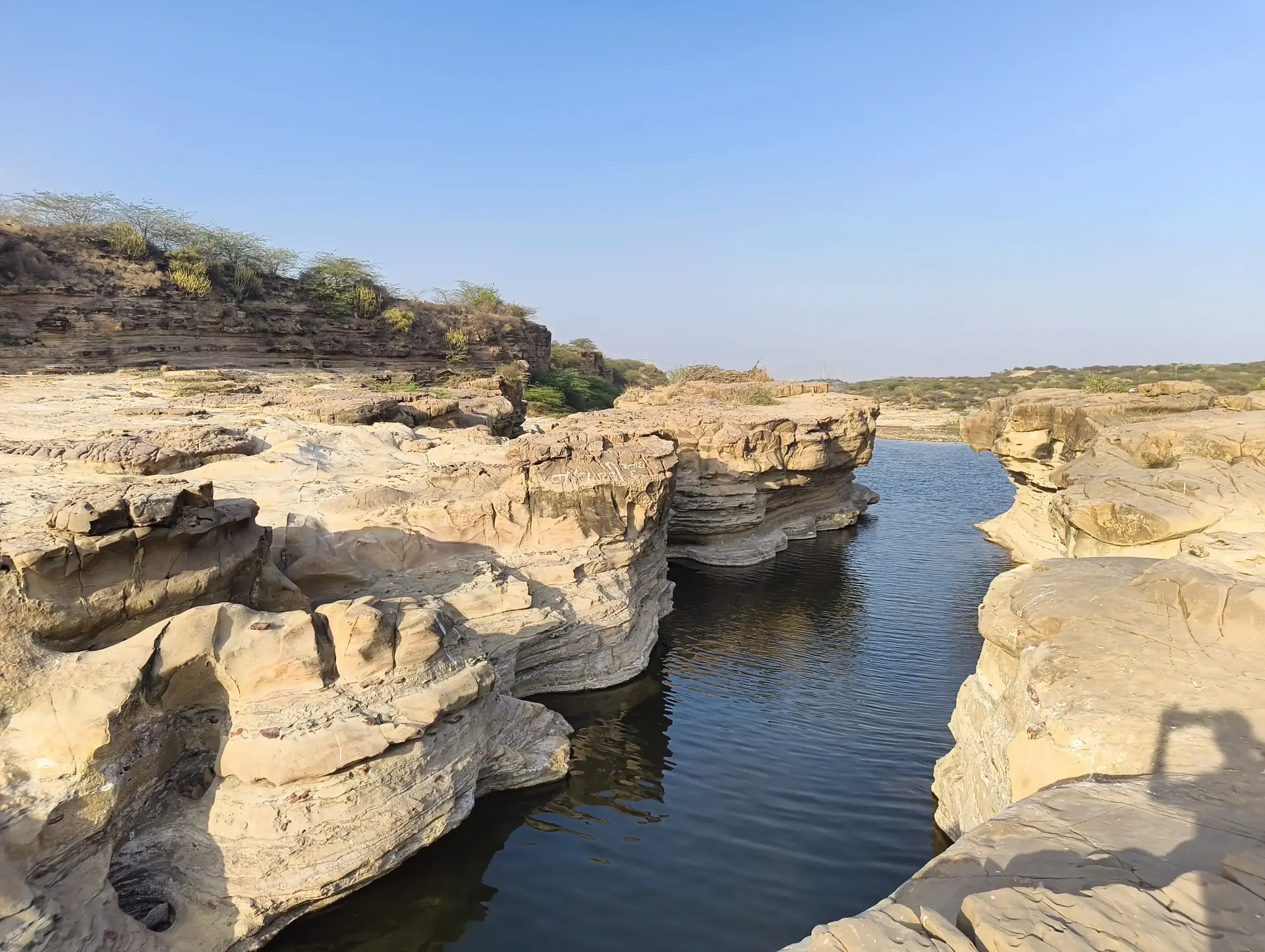
View destination →Kadia Dhro25 kmGrand canyon of Kutch with colorful rock formations and river pools.
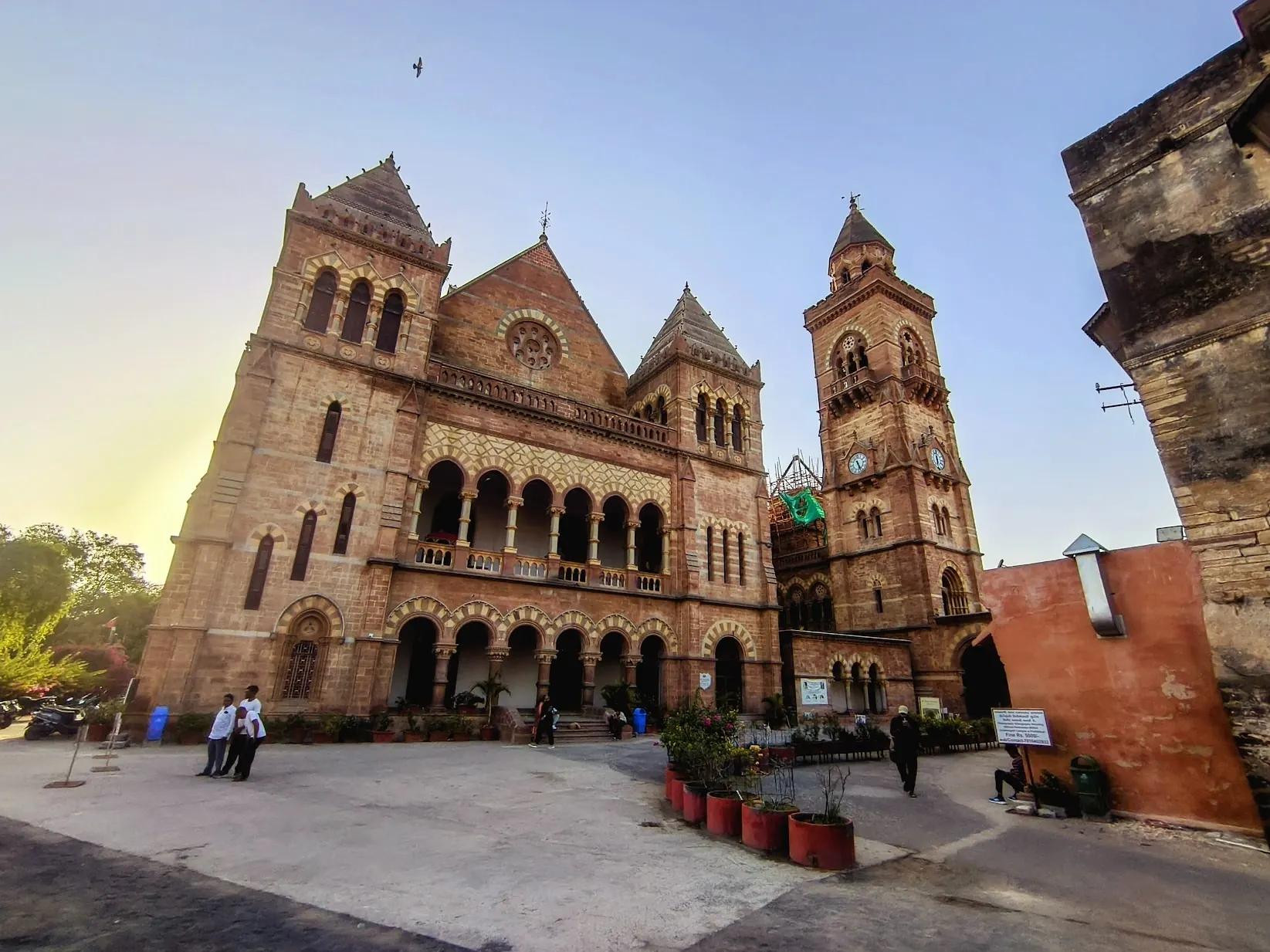
View destination →Bhuj50 kmCapital city of Kutch featuring Prag Mahal, Aina Mahal, and Smritivan.
View destination →- Is Roha Fort open to the public?
- Yes, Roha Fort is an open heritage site free for visitors to explore.
- Why is Roha Fort in ruins?
- The fort suffered severe damage during the catastrophic 2001 Kutch earthquake, leaving atmospheric stone ruins atop the hill.